Ingredients
Equipment
Method
Prepare the fish
- Rinse the fish if necessary and pat it very dry with kitchen paper.
- Run your fingers carefully over the fillets to check for any remaining bones.
- Cut the fish into small, thin pieces. Smaller pieces are easier to process into a smooth paste, and cutting the fish also gives you another opportunity to check for bones.
- You should have 500 g prepared fish.
Season the fish
- Place the fish in a large bowl.
- Add the salt, sugar, chicken seasoning powder, onion powder, garlic powder and pepper.
- Pour in the cold water, fish sauce and vegetable oil.
- Using a gloved hand or clean hand, mix and squeeze the fish for about 1–2 minutes, until the seasonings and liquids are absorbed.
- At first, the mixture may seem quite wet. Keep mixing. As the fish absorbs the water and oil, it will begin to feel thicker.
- Tip: If you don't have onion or garlic powder, you can gently fry finely minced onion and garlic until fragrant, allow them to cool completely, and add them instead.
Process the fish
- Transfer the seasoned fish to a food processor fitted with a metal blade.
- Add potato starch.
- Process on low speed for approximately 45 seconds.
- Stop the machine and scrape down the sides of the bowl, making sure any mixture stuck around the edges is incorporated back into the fish..
- Process again on higher speed for another 45 seconds.
- Scrape down the bowl once more and process for a final 45 seconds, or until the mixture is completely smooth, sticky and elastic.
- The total processing time will be approximately 2 minutes 15 seconds, although this can vary slightly depending on your food processor.
How do you know when the chả cá is ready?
- The finished fish paste shouldn't simply look like minced fish.
- It should be very smooth, thick, sticky and elastic.
- Scoop up a little with a spoon. It should hold together firmly rather than falling apart, and the mixture should have a noticeable springiness to it.
- That elasticity is what will give your cooked chả cá its characteristic Vietnamese-style bouncy texture.
Shape the fish cakes
- Lightly oil your hands or a spoon to prevent the mixture from sticking.
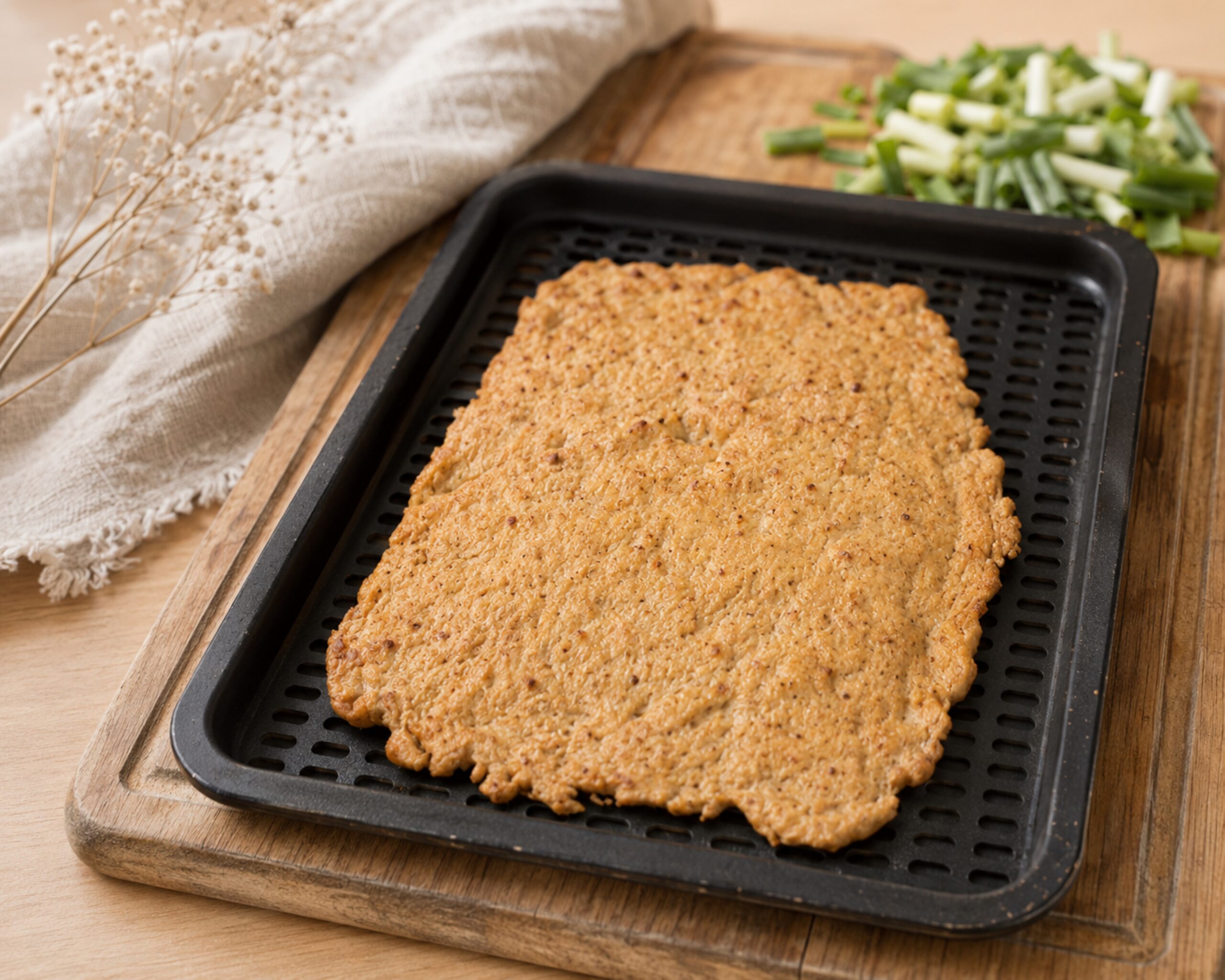
- You can shape the chả cá into small patties for frying, or form larger cakes and slice them after cooking.
- Try not to make the patties too thick so the center cooks evenly before the outside becomes too dark.
Fry
- Heat a layer of neutral cooking oil in a frying pan over medium heat.
- Once the oil is hot, carefully add the fish cakes.
- Fry until golden underneath, then turn and cook the other side until beautifully golden and completely cooked through.
- Transfer to a plate lined with kitchen paper or a cooling rack to remove excess oil.
- Serve warm, or allow them to cool before using them in another dish.
What kind of fish should you use?
A firm white fish works very well for homemade chả cá.Cod-family fish are a convenient choice in Europe, but you can also use other fresh white fish or mackerel. In Vietnam, both sea and freshwater fish can be used depending on the style of chả cá you want to make.The most important thing is to choose good-quality, fresh fish.Keep the water cold.Cold water helps keep the fish mixture from becoming too warm while it is being processed.Don't skip the processing time.The fish needs to become a smooth, sticky paste. Stopping while it still looks roughly minced will give you a very different texture.Use potato starch, not ordinary flour.Potato starch helps create the elastic, pleasantly chewy texture in this particular recipe. Regular wheat flour isn't a direct substitute.Check carefully for bones.Do this both before and while cutting the fish into smaller pieces.Cook a tiny test piece first. Before shaping the whole batch, fry a teaspoon of the mixture. Taste it and adjust the seasoning if necessary.