
5 Vegetables to Plant in October in Southern France
A New Season, A New Garden Project
October has arrived, and while many gardens are slowly winding down for winter, ours is getting ready for a new beginning.
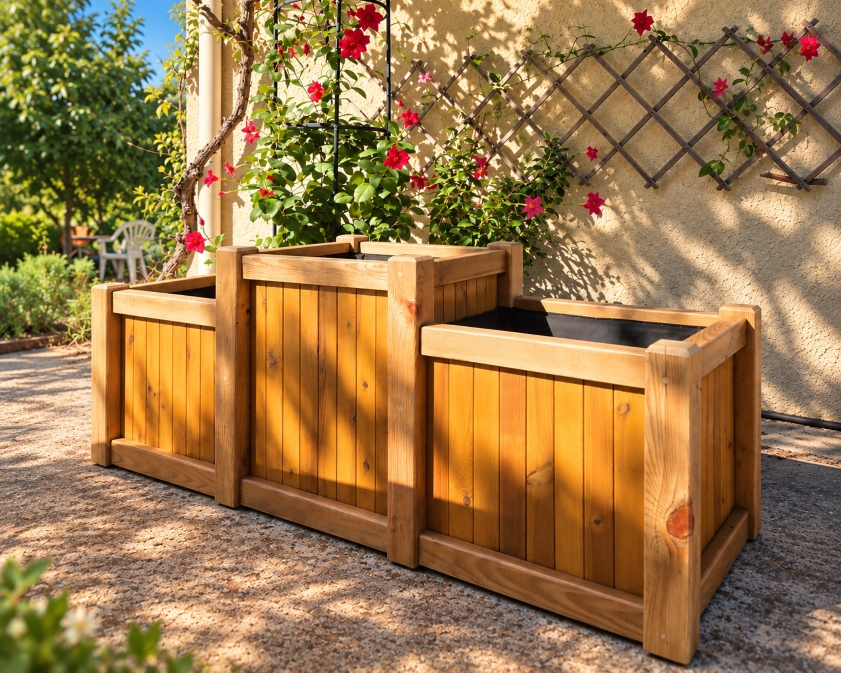
This year, my husband has been busy with a little garden project: building three beautiful wooden planters.
And I must say, I’m rather pleased with the result!
There’s something lovely about having things in the garden that are handmade. They’re not just wooden boxes. They’re something he spent time building, and soon, hopefully, they’ll be filled with fresh vegetables.
Of course, now that he’s finished his part, it’s my turn to do something with them. No pressure at all. 😄
Living in Southern France, we’re lucky enough to enjoy relatively mild autumn weather. Although summer vegetables such as tomatoes, courgettes, and peppers are reaching the end of their season, October still offers opportunities to grow vegetables.
The trick is choosing the right varieties.
So, after a little research and some garden planning, here are five vegetables to plant in October in Southern France that I’m considering for our autumn vegetable garden.
1. Spinach — A Perfect Vegetable for Cooler Weather
French name: Épinards
Spinach is one of my first choices for our autumn garden.
Unlike many summer vegetables, spinach actually prefers cooler growing conditions. The intense heat of summer can make it bolt, but autumn provides a much more comfortable environment.
In Southern France, October can be a suitable time to sow winter-hardy spinach varieties.
One variety worth considering is Géant d’Hiver (Winter Giant), which is known for its tolerance of cold weather.
How to grow spinach in October:
- Sow seeds directly into prepared soil, approximately 2 cm deep.
- Choose a sunny location or somewhere with light afternoon shade.
- Thin seedlings to approximately 10–15 cm apart for baby leaves, or give mature plants more room.
- Keep the soil consistently moist without making it waterlogged.
- Harvest young leaves when they’re large enough to use.
Depending on the variety and growing conditions, baby leaves may be ready in approximately six to eight weeks. Growth slows considerably during colder periods.
Why I want to grow it:
Spinach is wonderfully versatile in the kitchen.
I love the idea of picking a handful of fresh leaves for a quick stir-fry, soup, or omelette.
And honestly, being able to walk outside and collect vegetables for dinner is one of my favourite things about gardening.
2. Lamb’s Lettuce — A Little French Autumn Favourite
French name: Mâche
If you live in France, you’ve probably seen mâche everywhere during autumn and winter.
It’s one of those simple vegetables that doesn’t look particularly exciting until you taste it.
The small, tender leaves have a delicate, slightly nutty flavour, making them lovely in fresh salads.
Mâche is especially suitable for cool-season gardening, and October sowing is possible in many areas with mild autumn weather.
How to grow mâche:
- Sow seeds shallowly, approximately 0.5–1 cm deep.
- Leave around 10 cm between mature plants.
- Keep the soil moist during germination.
- Choose a sunny or partially shaded location.
- Harvest the small rosettes once they’ve developed enough leaves.
Mâche grows more slowly than summer lettuce, particularly as winter approaches, but that’s part of its charm.
There’s no need to rush everything in the garden.
Why I want to grow it:
I think mâche would be perfect for one section of our wooden planters.
It doesn’t need an enormous amount of space, and it would be lovely to have fresh salad leaves available during the cooler months.
A little mâche, some walnuts, perhaps a simple homemade vinaigrette…
Sometimes the simplest meals are the best.
3. Radishes — For Gardeners Who Like Quick Results
French name: Radis
Now, let’s talk about something for those of us who aren’t particularly patient.
Radishes!
If you’ve ever planted seeds and checked the soil every morning wondering why nothing is happening yet, radishes might be your kind of vegetable.
Under favourable conditions, some quick-growing radish varieties can be harvested in approximately three to five weeks.
October sowing is possible in Southern France when temperatures remain mild, although growth becomes slower as the weather cools.
How to grow radishes:
- Choose a quick-growing variety suitable for autumn.
- Sow seeds directly into loose soil, approximately 1 cm deep.
- Thin seedlings to around 3–5 cm apart.
- Water regularly to encourage even growth.
- Harvest promptly when the roots reach their expected size.
For late-October planting, choose a sheltered, sunny position and protect young plants if frost is forecast.
Why I want to grow them:
Because sometimes I want to see results before I’ve forgotten what I planted!
Radishes are also ideal for small raised garden beds.
They don’t take up much room, and their short growing cycle means the same space can potentially be used for another crop afterward.
Plus, they’re lovely sliced into salads or simply eaten with a little butter and salt.
Very French, isn’t it?
4. Winter Lettuce — Fresh Salads Beyond Summer
French name: Laitue d’hiver
When we think about lettuce, we often imagine warm summer days and fresh green salads.
But certain lettuce varieties are specifically suited to autumn and winter growing.
In Southern France, October can be a good time to transplant established winter lettuce seedlings.
Varieties such as Rougette de Montpellier are particularly interesting for gardens in the south of France.
How to grow winter lettuce:
- Choose varieties labelled suitable for autumn or winter cultivation.
- Transplant healthy young seedlings into prepared soil.
- Space plants approximately 25–30 cm apart.
- Water gently after planting.
- Protect plants from prolonged frost or particularly cold weather.
If you’re starting from seed in October, growth may be slower than expected, so buying small established plants can be a practical option.
Why I want to grow it:
I like having fresh lettuce available for everyday meals.
And because our new wooden planters are raised above the ground, they’ll be convenient for planting, watering, and harvesting.
No need to bend down quite so much.
A small gardening luxury that I fully intend to appreciate!
5. Garlic — Plant Now, Harvest Next Year
French name: Ail
Garlic is a little different from the other vegetables on this list.
It’s not something we’ll plant in October and harvest a few weeks later.
Instead, autumn-planted garlic grows gradually through the cooler months and develops its bulbs for harvesting the following year.
In Southern France, autumn planting can work well, provided the variety suits the local climate and the soil drains properly.
Pink garlic can be planted around mid-October in suitable conditions, while other autumn varieties are often planted later in the season. g
How to plant garlic:
- Choose healthy planting cloves from a suitable seed-garlic variety.
- Separate the cloves just before planting.
- Place each clove with the pointed end facing upward.
- Plant approximately 3–5 cm deep, adjusting for the variety and soil.
- Space cloves around 10–15 cm apart.
- Avoid overwatering, especially during wet winter weather.
One important thing about garlic: it really doesn’t appreciate sitting in waterlogged soil.
Good drainage is essential.
Why I want to grow it:
We use garlic constantly in our kitchen.
Whether it’s for Vietnamese dishes, French cooking, or simply roasting vegetables, garlic always seems to find its way into our meals.
Growing our own would be rather satisfying.
Of course, it also means waiting several months before harvesting.
Gardening does have a way of teaching patience, whether we like it or not.
Preparing Our Wooden Planters for Autumn Vegetables
Before planting anything, there’s one important job to do: preparing the soil.
Our new wooden garden planters are currently empty, so we’ll need to create a suitable growing environment for the vegetables.
Here’s what I’m planning.
1. Make Sure the Planters Have Good Drainage
Vegetables need moisture, but they don’t like having their roots constantly sitting in water.
I’ll make sure the planters have proper drainage openings and that the lining doesn’t prevent excess water from escaping.
This is especially important during autumn and winter when rainfall can be more frequent.
2. Fill Them With Good-Quality Soil
For raised garden planters, I prefer a mixture that provides nutrients while allowing water to drain properly.
A practical starting point is good-quality vegetable-growing soil enriched with mature compost.
The exact mixture depends on the materials available and how well they retain moisture.
The goal is simple: healthy soil that supports healthy roots.
3. Choose the Right Location
Even though we’re growing autumn vegetables, sunlight is still important.
Ideally, the planters should receive several hours of direct sunlight each day.
In Southern France, we also have to consider the mistral, which can be particularly strong.
A sheltered position can help protect young plants from cold, drying winds.
4. Don’t Plant Everything at Once
One lesson I’ve learned from gardening is that planting everything on the same day doesn’t necessarily mean it’s the best idea.
For quick-growing vegetables such as radishes, sowing small amounts every week or two can help spread out the harvest.
Otherwise, you might end up with more radishes than you know what to do with.
And while I enjoy radishes, there’s a limit to how many one family can eat!
My October Planting Plan
Since we have three wooden planters, I’m thinking about dividing the space between different vegetables.
Here’s my tentative plan:
| Garden Planter | Vegetables | Reason |
| Planter 1 | Spinach and mâche | Fresh leafy greens for autumn and winter |
| Planter 2 | Winter lettuce and radishes | A combination of salad crops and quick harvests |
| Planter 3 | Garlic | A longer-term crop for next year’s harvest |
Of course, I’ll need to consider the dimensions of each planter and the spacing requirements before making a final decision.
And knowing myself, there’s a good chance I’ll change my mind at least twice before planting anything.
That’s part of gardening too!
A Few Things to Remember About Autumn Gardening in Southern France
Although Southern France generally enjoys milder autumns than northern regions, the weather isn’t always predictable.
October can bring beautifully sunny afternoons, sudden heavy rainfall, strong winds, and occasionally surprisingly cold nights.
The Mediterranean climate allows some crops to be grown later in the year, but gardeners still need to account for drought, wind, and temperature changes.
A few things are worth remembering.
Watch the weather forecast. Young seedlings can be vulnerable to unexpected cold spells, especially in exposed raised planters.
Water according to the weather. Autumn vegetables usually need less frequent watering than summer crops, but the soil shouldn’t be allowed to dry out completely during germination.
Choose seasonal varieties. Not every lettuce or spinach variety is suitable for winter growing. Always check the seed packet.
Be patient. As temperatures drop and daylight hours shorten, vegetables naturally grow more slowly.
And finally, don’t expect every seed to become a beautiful vegetable.
Sometimes things grow wonderfully.
Sometimes they don’t.
And sometimes the garden has completely different plans from yours.
Frequently Asked Questions About October Vegetable Gardening
What vegetables can I plant in October in Southern France?
Some suitable choices include spinach, mâche, quick-growing radishes, winter lettuce transplants, and autumn garlic.
The best choice depends on local temperatures, soil conditions, and the varieties available.
Is October too late to start a vegetable garden?
Not necessarily.
In the milder parts of Southern France, October can still be suitable for cool-season vegetables.
However, plants grow more slowly as winter approaches, so choosing appropriate varieties is important.
Can I grow vegetables in wooden raised planters during winter?
Yes.
Wooden raised planters can be used for winter vegetables, provided they have enough soil depth, suitable drainage, and protection during cold weather.
Because raised planters are more exposed than garden soil, their roots may also experience greater temperature fluctuations.
What is the easiest vegetable to grow in October?
For beginners, mâche and suitable spinach varieties are good options.
Quick-growing radishes can also be rewarding when autumn conditions remain mild.
What can I plant in October for a spring or summer harvest?
Autumn garlic is an excellent example.
Depending on the variety and planting date, garlic planted in autumn can be harvested in late spring or summer the following year.
A Garden Is Never Really Finished
Looking at our new wooden planters, I can’t help imagining what they’ll look like in a few weeks.
Hopefully, filled with fresh green leaves and little vegetables slowly growing.
Or perhaps a few empty patches where the seeds decided not to cooperate.
We’ll see!
What I love about gardening is that there’s always something new to learn.
And this autumn, our garden begins with three wooden planters handmade by my husband.
Now it’s my turn to bring them to life.
What are you planting in your garden this October?
I’d love to hear your suggestions, especially if you’re gardening in Southern France.
Happy autumn gardening!
Chez Thao Hoang 🌿
