Chestnut Coconut Snow Skin Mooncakes – Easy Microwave Bánh Dẻo
A Soft and Chewy Mid-Autumn Treat with Chestnut and Coconut
This post contains affiliate links. As an Amazon Associate I earn from qualifying purchases, at no additional cost to you.
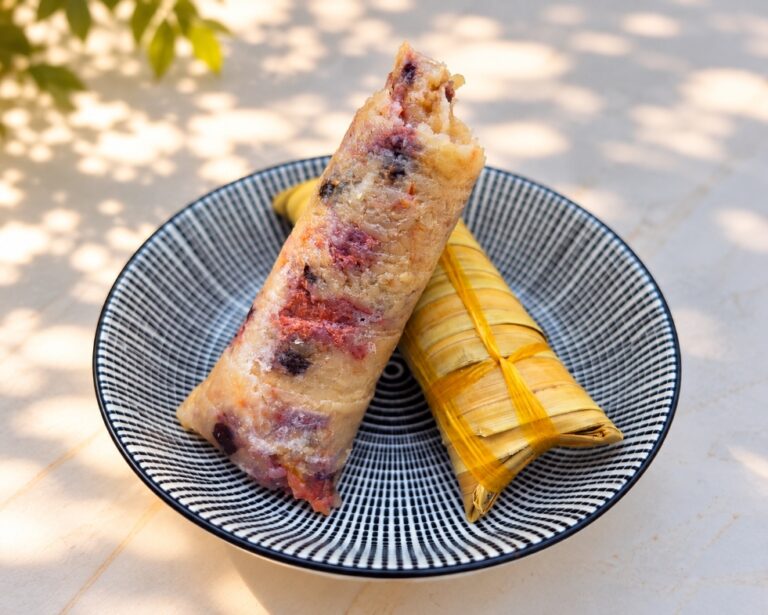
There is something especially lovely about making mooncakes at home for the Mid-Autumn Festival. This year, I wanted to make a version that feels a little different from the traditional bánh dẻo I grew up with: soft, milky snow skin wrapped around a creamy chestnut and coconut filling.
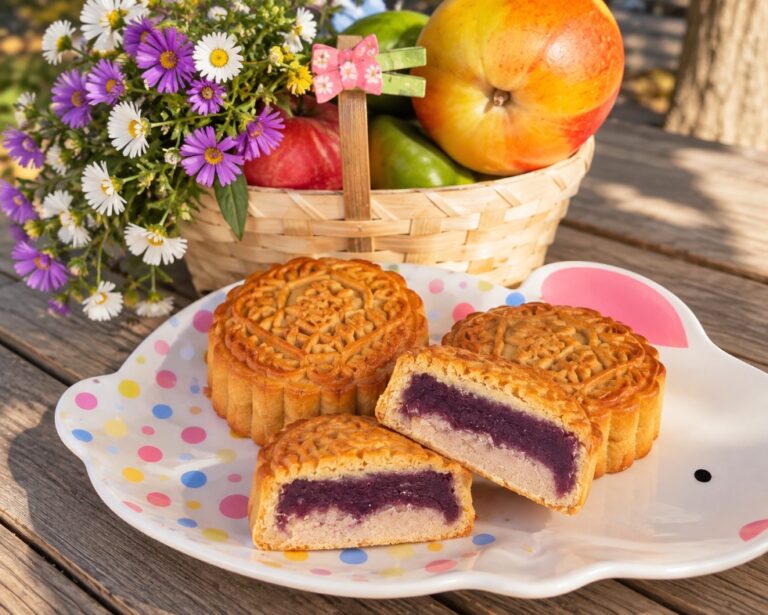
The filling combines cooked chestnuts with coconut milk and coconut flakes, giving it a rich, nutty flavour without making it overly sweet. I use only 70 g of sugar for 500 g of chestnuts, so the natural flavour of the chestnuts can still come through.
And the best part? No oven and no steamer are needed for the mooncake skin.
Instead of traditional bánh dẻo flour, this recipe starts with raw glutinous rice flour. The batter is cooked directly in the microwave until it becomes soft, elastic and slightly translucent. Microwave cooking is an established method for this style of snow-skin mooncake dough.
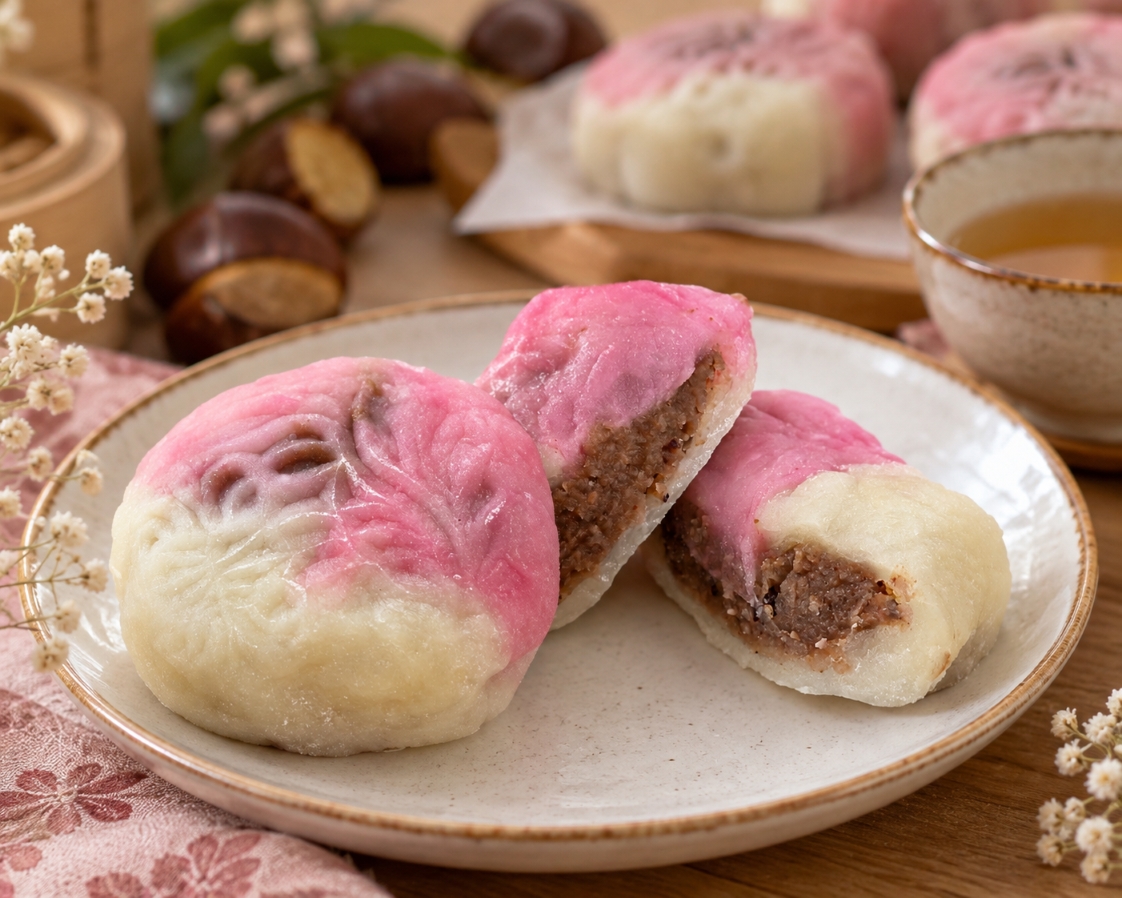
The result is somewhere between Vietnamese bánh dẻo and modern snow-skin mooncakes: tender, pleasantly chewy and perfect with the chestnut-coconut centre.
Chestnut Coconut Snow Skin Mooncakes
Ingredients
Method
- Place the cooked chestnuts, coconut milk, sugar and salt in a food processor or high-speed blender.
- Blend until very smooth. Try not to add additional water at first. If the mixture is too thick for your blender, add water just one tablespoon at a time. The less water you add, the less you will need to evaporate later.
- Add the vegetable oil and blend again until fully incorporated.
- Mix the flour with 20 g water until completely smooth, then stir it into the chestnut mixture. Add the coconut flakes.
- Transfer the filling to a wide microwave-safe bowl.
- Microwave at around 700–800 W for 2 minutes, remove and stir thoroughly. Repeat until the mixture begins to thicken.
- Once it becomes noticeably thicker, reduce the cooking time to 1 minute at a time, stirring well after each interval.
- Towards the end, microwave for only 30 seconds at a time. This is important because chestnuts can go from beautifully soft to too dry surprisingly quickly.
- The filling is ready when it comes together into a soft mass that holds its shape without flowing. It should still feel soft while hot.
- Allow it to cool completely before dividing and rolling into balls.
- Combine the glutinous rice flour, cornstarch, sugar and salt in a microwave-safe bowl.
- Gradually whisk in the milk until completely smooth. Add the vegetable oil and vanilla, if using, and whisk again.
- For an especially smooth mooncake skin, pass the batter through a fine sieve.
- Cover the bowl loosely with a microwave-safe lid or plate.
- Microwave at approximately 800 W for 2 minutes.
- Remove the bowl and stir thoroughly with a silicone spatula. Some parts will already be thick and sticky while others may still be liquid. Mix them together as well as possible.
- Return to the microwave for 1 minute and mix again.
- From this point, microwave for 30–45 seconds at a time, mixing between each interval, until there is no raw white batter remaining and the dough looks cooked and slightly translucent.
- Depending on your microwave and the shape of your bowl, the total cooking time will usually be around 4–6 minutes. Other microwave snow-skin methods similarly cook the batter in short intervals and stir between them so the flour cooks evenly. Food Network
- While the dough is still hot, add the 20 g unsalted butter.
- Fold and knead it into the dough with a spatula until the butter has been completely absorbed.
- Once cool enough to handle, put on food-safe gloves and knead briefly until the dough becomes smooth, supple and elastic.
- Cover immediately so it doesn’t dry out.
- Because these mooncakes aren’t baked after shaping, don’t dust them with raw glutinous rice flour.
- Toast a few tablespoons of glutinous rice flour in a dry pan over low heat, stirring constantly, until cooked, then allow it to cool completely. Cooked glutinous rice flour is commonly used for dusting snow-skin mooncakes so they release cleanly from the mould. The Woks of Life
- Use as little as possible—you want to prevent sticking without leaving a thick white coating on your mooncakes.
- First, make sure both the filling and dough are completely cool.
- Weigh the finished chestnut filling before deciding how many mooncakes to make, since its final weight will depend on how much moisture evaporated during cooking.
- Roll the filling into smooth balls.
- Divide the snow-skin dough into equal portions and keep them covered while you work.
- Flatten one piece of dough into a disc, keeping the centre slightly thicker than the edges. Place a chestnut-coconut ball in the centre and gently bring the dough up around the filling.
- Pinch to seal and roll gently between your palms.
- Dust the mooncake very lightly with cooked glutinous rice flour. Dust the inside of your mooncake mould as well, then tap out all the excess.
- Place the ball into the mould and press firmly onto a flat surface to create the pattern.
- Lift the mould and gently release your mooncake.
- And that’s it—no baking required.
🥄 Need to convert a measurement in this recipe? I made a little converter for exactly that — take a look here.
If you are looking for the molds to make the form like I did, there are many options here.
What Do They Taste Like?
The skin is soft, milky and chewy, while the centre is rich and nutty from the chestnuts, with a gentle coconut aroma from both coconut milk and coconut flakes.
Most importantly for me, they aren’t overwhelmingly sweet.
Chestnut already has a beautiful natural sweetness, so I prefer allowing that flavour to remain the star rather than covering it with too much sugar.
The little pieces of coconut also give the otherwise smooth chestnut filling just enough texture to make each bite more interesting.
Storage
Because this version contains fresh milk, butter and coconut milk, I recommend treating it differently from traditional room-temperature bánh dẻo.
Keep the mooncakes in an airtight container in the refrigerator and enjoy them relatively fresh. The skin will become firmer when very cold, so I like to let the mooncakes sit out briefly before serving so the dough can soften again.
For longer storage, freezing the individually wrapped mooncakes is preferable to leaving this milk-based version at room temperature.
🌰 A Different Kind of Bánh Dẻo for Mid-Autumn Festival
Traditional recipes will always have a special place on the Mid-Autumn table, but I also love taking familiar flavours and playing with them a little.
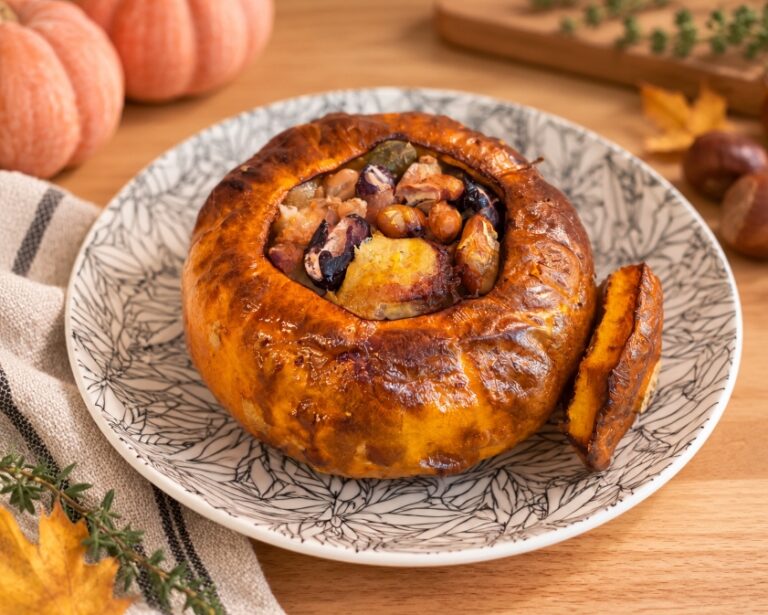
This chestnut coconut snow skin mooncake combines something very familiar—soft, chewy bánh dẻo—with flavours that feel wonderfully autumnal here in France.
Chestnuts, coconut and a cup of hot tea… sometimes that’s all an autumn afternoon needs.
Happy Mid-Autumn Festival! 🌕🥮
Looking for more inspiration? Explore more Chez Thao Hoang recipes for homemade dishes, seasonal favourites and sweet treats.